

Does Art Have a Healing Effect on Stress Levels?
Does immersing ourselves in original art lower stress hormones? Recent studies suggest that engagement with art may have significant positive effects on mental health. This article explores the sophisticated relationship between viewing original art in a gallery and our physiological stress responses.
Art: A Gateway to Mental Well-Being
Art has long been recognized for its benefits in mental health, addressing issues from anxiety to depression. Various studies highlight the therapeutic qualities of art, ranging from art therapy to mere appreciation of aesthetics. However, the distinction between actively creating art and passively viewing it remains crucial. While art therapy facilitates direct interaction, simply viewing artwork can still yield calming effects. The Mental Elf reports increasing evidence supporting the idea that experiencing art can act as a stress reliever.
Understanding Cortisol and Stress Response
Cortisol, the body’s primary stress hormone, plays a pivotal role in our responses to stress. Elevated cortisol levels can lead to increased heart rate, blood pressure, and even a compromised immune system, ultimately linking chronic stress with more severe health concerns like heart disease and diabetes. This biological mechanism explains the importance of exploring ways to mitigate stress—enter the world of art.
The Study: Original Art vs. Reproductions
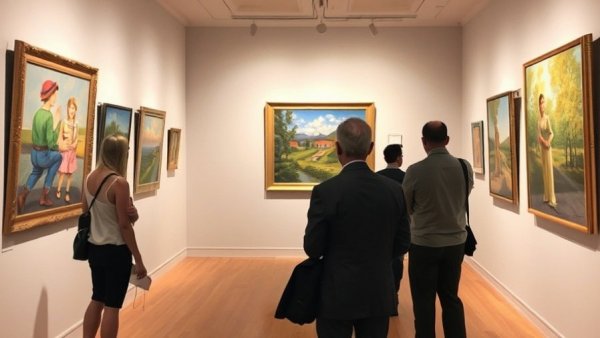
Highlighting a groundbreaking study, researchers investigated the physiological impacts of viewing original art versus high-quality reproductions. According to findings presented in a 2026 paper, 50 participants were divided into two groups: one group experienced original paintings in an art gallery while the other viewed matched reproductions in a controlled laboratory setting. Remarkably, the results showed that participants in the gallery group experienced a significant decrease in inflammatory markers, especially interleukin-6 (IL-6), more so than their counterparts.
The Results: Does Original Art Reign Supreme?
Key findings revealed that while viewing original art, IL-6 levels dropped by 30% among participants, contrasting with minimal changes in the laboratory group. Another inflammatory marker, TNF-alpha, also showed a reduction in the gallery group, although this did not reach statistical significance when compared to the lab group. Notably, cortisol levels also decreased in the gallery setting, suggesting a physiological response to original art that surpasses that of reproductions.
Implications of Viewing vs. Creating Art
The findings imply that the experience of witnessing original works might provoke unique stress-relief benefits beyond mere visual appreciation. This can lead to valuable insights for those interested in stress management strategies. For residents of the Grand Strand area, this could mean a simple visit to local galleries might not only brighten your day but contribute to your overall wellness.
The Emotional Connection with Original Art
Art brings with it an emotional weight that can transform how we process stress. For many, viewing a piece of original art can evoke personal connections, stirring a range of emotions from nostalgia to joy. This emotional engagement likely amplifies the physical benefits observed in research, fostering a deeper sense of relaxation and mental peace.
Future Trends in Art and Mental Health
As research on the physiological effects of arts engagement progresses, we can anticipate a growing focus on integrating art into mental health strategies. This presents exciting opportunities for communities in South Carolina and worldwide. As art galleries expand their reach, encouraging local residents to interact with original works can foster healthier, more vibrant communities. The notion that art can serve as a buffer against stress entices both artists and therapists to explore collaborative efforts to harness these benefits effectively.
In a world where stress is a common affliction, the idea that simply viewing original art can alleviate some of its burdens is invigorating. Lee et al. (2021) reinforces this outlook, advocating for the establishment of community-oriented art programs aimed at improving public mental health. As more cities embrace art as a catalyst for healing, it inspires us to consider the subtler ways in which creativity might enhance our quality of life.
If you're part of the vibrant community in the Grand Strand, consider incorporating more art into your life! Visiting a gallery, attending a local art fair, or simply appreciating the works of local artists can be a meaningful step towards reducing stress and improving your mental wellness.











Write A Comment