


The Unseen Battle: Trauma and Refugees’ Daily Lives
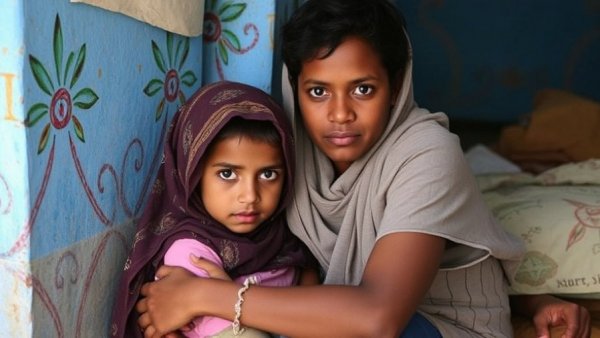
For many refugees and asylum seekers, the journey towards safety is often fraught with profound trauma. Their experiences—ranging from war and persecution to family separation—remain deep-seated long after they have arrived in new countries. Current estimates suggest that as of the end of 2024, around 123.2 million people worldwide have been forcibly displaced, equating to one in every 67 individuals (UNHCR, 2024). The implications of this displacement reach far beyond immediate physical needs; they resonate deeply in the realm of mental health, especially in relation to conditions such as PTSD.
Impact on Mental Health and Social Functioning
Numerous studies have highlighted the alarming prevalence of PTSD and other mental health struggles among displaced populations (Blackmore et al., 2020; Peconga & Høgh Thøgersen, 2020). Refugees often confront a compounding impact of mental health difficulties intertwined with their integration into new societies. According to a systematic review encompassing over 15,000 participants, trauma distinctly affects various aspects of social functioning, which include relationships, employment opportunities, and community engagement (Scoglio et al., 2022; Perkins et al., 2025).
Individuals coping with trauma frequently report feelings of mistrust, isolation, and shame, leading to withdrawal from social interactions. Specifically, social relationships—often essential for successful integration—suffer considerably, highlighting a crucial gap in understanding how trauma impacts refugee lives beyond mere mental health symptoms. The multifaceted nature of trauma further complicates recovery and reintegration, making it essential for communities to understand these dynamics to foster supportive environments.
Types of Trauma and Their Effects
The type of trauma experienced plays a significant role in shaping outcomes. Research indicates that interpersonal trauma, like abuse or trafficking, often disrupts trust and relationships more severely than war-related trauma, which is primarily linked to psychosocial challenges and integration difficulties (Tomren & Opaas, 2024). Furthermore, while many studies reveal adverse effects on social connections, some individuals exhibit post-traumatic growth—gaining deeper empathy, stronger ties with others, and even a renewed sense of purpose. These nuances highlight the complex interplay between trauma, resilience, and personal development.
The Community’s Role in Refugee Well-being
Local residents, particularly in places like the Grand Strand of South Carolina, can play a pivotal role in the healing process for refugees. Understanding the challenges faced by displaced individuals can significantly enhance community integration strategies. Community engagement initiatives, such as social support networks and recreational programs, can facilitate trust-building and help alleviate feelings of isolation and loneliness often experienced by refugees. This involvement provides a framework for community members to contribute positively towards creating environments that foster acceptance and understanding.
Actionable Insights for Local Communities
Support systems are crucial for refugees as they navigate the tumultuous waters of post-migration life. Individuals and community organizations are encouraged to implement actionable strategies to improve the lives of those affected by trauma:
- Education and Awareness: Community workshops can help educate about the realities of displacement, trauma, and mental health, fostering empathy and understanding.
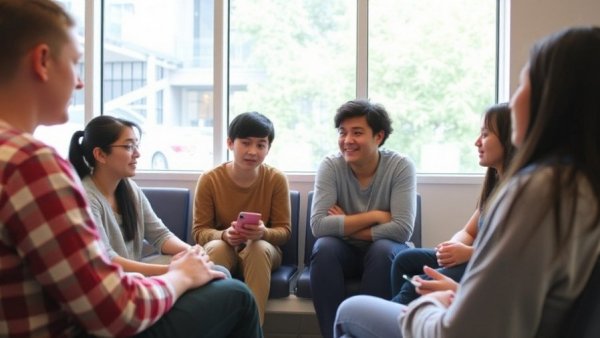
- Support Groups: Establish local support groups that facilitate conversation among refugees, providing safe spaces to express shared experiences.
- Cultural Integration Events: Organize events that celebrate cultural diversity, encouraging positive interactions between refugees and local residents.
Ultimately, these actions allow communities to not only support refugee populations but also to enrich their own social fabric.
Conclusion: A Call to Compassion
As we confront the challenges faced by refugees and asylum seekers, it’s imperative to understand that trauma doesn’t just end with migration; it permeates every aspect of their lives. Local communities have the unique opportunity to bridge this gap by providing understanding and support, paving the way for refugees to rebuild their lives with dignity and purpose. Consider taking part in local initiatives designed to assist refugees in your area, and help foster a strong and resilient community.










Write A Comment