



Understanding the Digital Defenses Against Cyber Attacks
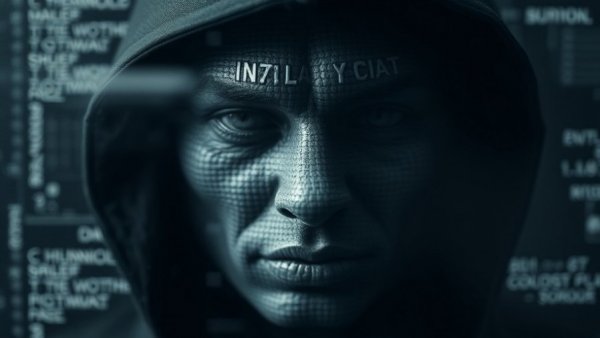
In a world where technology is a crucial part of our lives, it’s vital to grasp how cybersecurity works, especially when our personal information and business data are often just a click away from being exposed. A startling incident in July 2024 highlighted this urgent need. The cybersecurity firm KnowBe4 found itself facing a threat like no other: a North Korean cyber hacker had deceived them into hiring him by posing as an IT specialist.
The intelligence agency infiltrator was well-prepared, using a stolen U.S. identity and AI-altered photos to complete several interviews. However, the plan unraveled once he got access to the company-issued laptop, where he began installing malware to execute his malicious agenda. Thanks to the vigilant cybersecurity software installed on KnowBe4’s devices, staff members were alerted within 25 minutes of suspicious activities, preventing any data loss.
“Hackers leave digital footprints,” explains Jake Moore, a global cybersecurity expert. The software’s job is to constantly monitor these footprints within the digital realm, looking for anything out of the ordinary. With countless transactions occurring simultaneously across networks, distinguishing harmful activity amidst the everyday noise can be quite challenging.
The Mechanics of Cybersecurity Software
How do systems detect intrusions? The process starts with observation, where security software scrutizines everything from logins and file access to the programs running on your computer and their respective connections. As Bartley Richardson, a chief expert at CrowdStrike, explains, they observe the entirety of an operating system’s processes—from memory hierarchy to network calls and HTTP requests.
An essential component in identifying dubious activity is a concept known as the process tree. This method reveals how programs relate to one another, highlighting any anomalies, such as a familiar application unexpectedly triggering another program that seeks sensitive information or attempts to connect to an unfamiliar server. Eerke Boiten, a cybersecurity professor, emphasizes that years of observing normal behavior allow firms to develop a statistical sense of what constitutes typical versus suspicious activity.
The Importance of Community Awareness
For residents in the Grand Strand area—including Myrtle Beach, North Myrtle Beach, and Surfside Beach—staying informed about cybersecurity trends can empower you to take charge of your digital safety. In a region seeing increased tourism and economic growth, both locals and businesses share a responsibility to protect sensitive information.
Cyber awareness workshops and community meetings serve as excellent platforms for discussing both the risks and strategies to combat cyber threats. Local organizations or tech-savvy community members could offer to host sessions focused on understanding cybersecurity protocols and best practices for securing personal and business data.
Looking Towards the Future: Preparing for a Cybersecure Tomorrow
As cyber threats continue to evolve, so too must our approaches to cybersecurity. Awareness is one critical part, but technology is another. Building stronger cybersecurity frameworks will facilitate community resilience in the face of potential attacks.
Moreover, integrating cybersecurity education into local schools could safeguard future generations, ensuring they become not only consumers of technology but also informed guardians of their digital spaces. Knowledge is power, and early education may make all the difference as threats become more sophisticated.
Final Thoughts: Stay Informed and Empowered
As we navigate our increasingly digital lives, understanding cybersecurity becomes essential, especially within our local community. Encourage discussions about digital safety within your neighborhood. Consider attending a workshop or initiating one; sharing knowledge can significantly enhance our defenses against cyber threats.
Your engagement matters! By learning how cybersecurity software protects against hacks and by fostering a culture of safety, we can all contribute to a secure digital environment.












Write A Comment