

The Unlikely Turnaround in Mississippi Politics
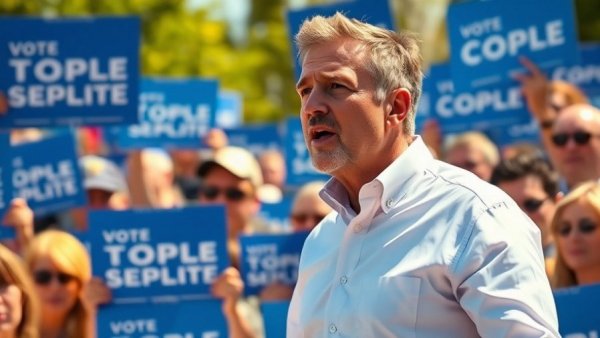
The Mississippi Senate race has become a focal point of political intrigue, showcasing how a traditionally Republican stronghold can suddenly shift into a nail-biting contest. Scott Colom, the Democratic challenger, has gained a slim lead over the incumbent Republican, Cindy Hyde-Smith, by just 1,138 votes – a margin of only 0.1% as votes continue to be counted.
Political analysts, like Aaron Hitefield from Mississippi State University, are surprised by this development. “It’s unprecedented for [Mississippi] to be this competitive for Democrats particularly, certainly in the last 40 years,” he notes. As Colom claims 49% of the vote against Hyde-Smith’s 48.9%, it raises crucial questions about changing voter demographics and political sentiments, particularly in the context of national trends where Democrats have experienced significant gains in various states.
A Mirror of National Trends: Why Mississippi Matters
The tightening race in Mississippi is reflective of broader national shifts, especially among voters disillusioned by the political status quo. With Democrats gaining traction in typically red states like Texas and South Carolina, Mississippi could be part of a larger narrative describing changes in political allegiances across America.
In the Grand Strand, including areas like Myrtle Beach and Pawleys Island, residents might resonate with this shift. As these communities adjust to changes in health guidelines and lifestyle preferences, they also reflect evolving political landscapes. For instance, factors such as economic opportunities, healthcare accessibility, and community well-being are becoming pivotal. These emerging themes can inform how local voters appreciate different political candidates and their platforms.
Understanding Voter Engagement in a Landscape of Change
The 2026 elections signal a significant transformation in voter engagement and activism. Colom's campaign taps into community issues and public health, resonating with the families and individuals in South Carolina's Grand Strand. The connection between local healthcare initiatives and political candidates is paramount, especially in areas experiencing rapid growth like Murrells Inlet and Litchfield Beach.
Furthermore, rising concerns about healthcare access and affordability directly tie into the motivations of younger voters. As more Millennials and Gen Z citizens become politically active, their collective voice could reshape expectations around local issues, including health policy and education reform.
What This Means for the Future of Local and National Politics
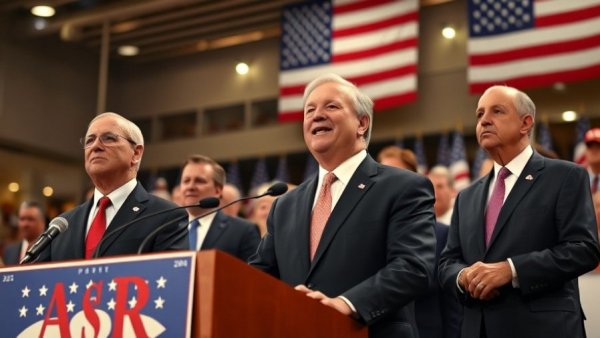
Should Colom succeed, it will mark a pivotal moment in Mississippi's political history—potentially changing the state’s political dynamics for generations. In the Grand Strand, this shift reinforces the importance of engaging with local communities about the health and wellness strategies that contribute to a thriving environment.
Engagement goes beyond just polling numbers; it represents a paradigm shift where individuals in Myrtle Beach, North Myrtle Beach, and surrounding areas align health priorities with their political representatives. It is imperative for voters to understand not only who they are voting for, but also how those candidates align with their values on community health, economic stability, and education.
Taking Action: Be Part of the Change in Your Community
As the Senate race continues to evolve, residents across the Grand Strand are encouraged to stay informed and involved. An engaged community is essential to shaping the future, and every voice matters. Whether it’s attending a town hall meeting or advocating for local policies that promote health and wellness, you can contribute to the dialogue. Get involved, share your perspective, and make sure that your concerns about healthcare and community wellbeing are heard. The outcome of this race could redefine not just the political landscape in Mississippi but inspire similar movements of change in South Carolina.










Write A Comment