


Understanding the Link Between Mental Health and Dementia
The current state of global health is at a crossroads, particularly concerning the aging population. As dementia rates are expected to triple by 2050, it's imperative to explore the intersections of mental health and dementia, especially in our local Grand Strand community.
Psychiatric Disorders: A Double-Edged Sword
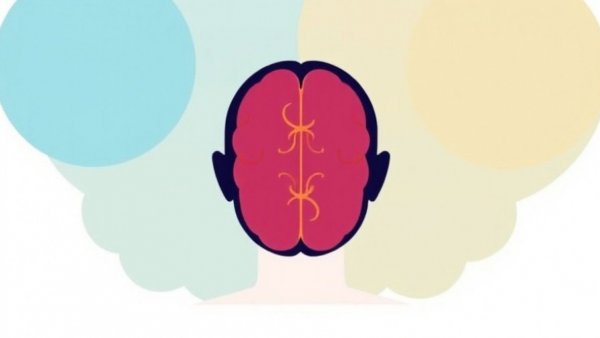
Research indicates a complex relationship between psychiatric disorders—such as depression and psychosis—and dementia. Studies have shown that individuals diagnosed with severe mental health issues face a heightened risk of developing dementia later in life. This raises an intriguing question: are these mental health conditions responsible for accelerating cognitive decline, or do they merely act as early warning signs of an impending dementia diagnosis?
A study led by Escott-Price and colleagues, leveraging data from the UK Biobank, attempts to unravel this conundrum. By focusing on non-affective psychosis and depression, the researchers observed that participants with these diagnoses exhibited a lower genetic predisposition to Alzheimer’s disease, prompting the hypothesis that psychiatric disorders might be associated with increased vulnerability to dementia.
Key Insights from Recent Research
The study evaluated 7,936 cases of dementia and pinpointed those with a history of psychiatric disorders. The results suggest a divergence from the prevailing notion that psychiatric symptoms herald dementia's arrival, leaning towards the understanding that such disorders may indeed contribute to the risk of developing dementia.
Practical Steps for a Healthier Mind
Given this heightened risk, it’s crucial for residents in the Grand Strand area and beyond to prioritize mental wellness. Engaging in activities geared toward emotional well-being can play a significant role in mitigating this risk. Here are some actionable steps:
- Regular Social Engagement: Connecting with friends and family through community activities can foster emotional support.
- Mindfulness and Stress Management: Techniques such as meditation or yoga can enhance mental clarity and emotional resilience.
- Healthy Lifestyle Choices: A balanced diet rich in omega-3 fatty acids, along with regular physical activity, can significantly improve mood and cognitive function.
Community Resources: Strength in Support
Residents of Grand Strand have access to various community wellness programs aimed at improving mental health. Programs focusing on cognitive health can offer valuable resources such as workshops, classes, and support groups. By actively participating, individuals can gain insights that foster mental well-being.
Future Trends in Mental Health Research
As our understanding evolves, further exploration into the genetic and environmental factors influencing both mental health and dementia will be crucial. Upcoming studies may yield insights into preventative measures and interventions that could aid in reducing dementia prevalence.
A Final Thought: The Importance of Awareness
Understanding the complex interplay between mental health disorders and dementia is essential for not only individuals but also for families in our community. By recognizing potential risks and taking proactive steps toward mental wellness, we can influence not only our lives but also set a precedent for future generations.
In conclusion, prioritizing mental health is not just an act of self-care; it is a fundamental aspect of community health. Consider reconnecting with your mental wellness journeys this week and reach out to local resources available in the Grand Strand area.










Write A Comment