



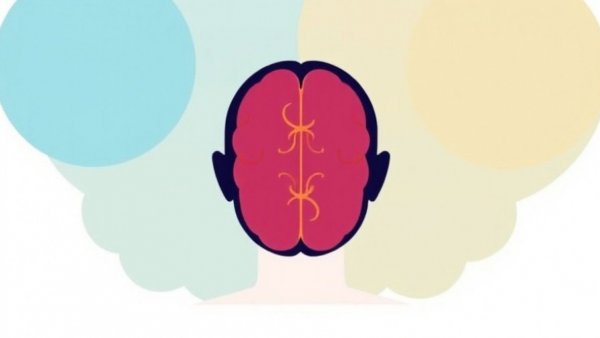
Revolutionizing Mental Health: Understanding TMS
Transcranial Magnetic Stimulation (TMS) has emerged as a promising non-invasive treatment option for individuals suffering from difficult-to-treat depression. This innovative therapy harnesses magnetic pulses to stimulate brain activity, providing hope where traditional antidepressants and therapies have failed. As many as one in three people battling depression find themselves not responding positively to first-line treatments, making TMS an incredibly relevant option for those in search of alternative therapies.
Exploring the Mechanism: How TMS Works
TMS operates through a process called neuromodulation. During the treatment, patients attend a series of sessions, where a coil is placed over the left prefrontal cortex, delivering magnetic pulses aimed at enhancing neural connectivity. These brief, targeted pulses are not only painless; they also are delivered while the patient is fully awake, distinguishing TMS from more invasive treatments like electroconvulsive therapy (ECT). The treatment typically spans several weeks, with around thirty total sessions, enabling gradual yet substantial improvement in depressive symptoms.
Clinical Effectiveness: The Evidence Speaks
The clinical efficacy of TMS is supported by a wealth of research. The National Institute for Health and Care Excellence (NICE) endorsed TMS as a treatment for depression back in 2015. This recommendation was grounded in systematic reviews that consolidating findings from numerous randomized controlled trials. These studies indicate that TMS significantly outperforms sham treatments, with notable evidence showcasing that high-frequency stimulation can effectively enhance remission rates. In fact, recent analyses suggest that TMS may outperform traditional ECT, ranking it as one of the leading options for treating resistant depression.
User Experiences: Real Voices in Mental Health
The stories of individuals who have undergone TMS treatment highlight its growing significance. Mark, a lived experience expert in mental health, shared that despite years of antidepressant trials, he encountered no improvement until he explored TMS. His journey exemplifies the struggles many face with chronic depression and the potential for non-invasive therapies to offer renewed hope.
Future of TMS: Enhancing Accessibility
While TMS shows great promise, accessibility remains a barrier. Currently, it is available in only 1 in 7 mental health trusts across the United Kingdom, prompting calls for improved access through public health initiatives. Ongoing discussions within communities, including forums and webinars, are crucial for raising awareness and clarifying the treatment's benefits. Gathering feedback from primary care and mental health clinicians is an integral part of developing TMS treatment pathways that are effective and accessible.
The Broader Context of Mental Health
The global burden of depression calls for innovative solutions. As depression ranks among the leading causes of ill health worldwide, strategies that target difficult-to-treat cases hold immense value. TMS' introduction into the mental health landscape represents a significant development in how we approach treatment, making it imperative for communities to engage in conversations surrounding mental health and accessible treatment options.
The Grand Strand community, known for its emphasis on healthy lifestyles, stands to benefit from discussions around treatments like TMS. Educational initiatives focusing on mental health resources can enhance community understanding and encourage individuals to seek the right support for their mental health needs.
To learn more and actively participate in shaping future mental health discussions, consider taking a moment to fill out our feedback survey on TMS experiences.












Write A Comment