

Understanding the Surging Global Refugee Crisis
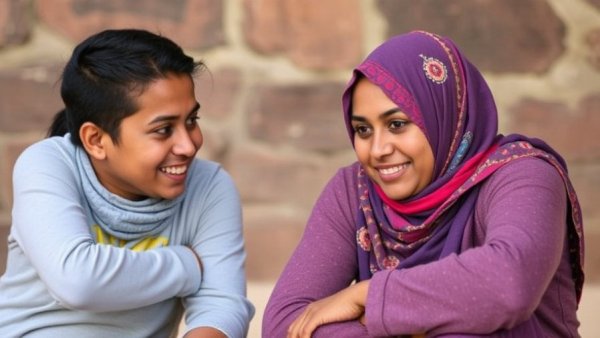
The number of refugees around the world continues to rise dramatically, driven largely by ongoing conflicts and humanitarian crises. With over 114 million forcibly displaced individuals globally, it’s critical to recognize that children represent nearly half of this group (UNHCR, 2023). This growing crisis demands our attention, especially in communities like Grand Strand, South Carolina, where understanding and supporting refugee youth can lead to healthier, more inclusive environments.
The Mental Health Challenges Facing Young Refugees
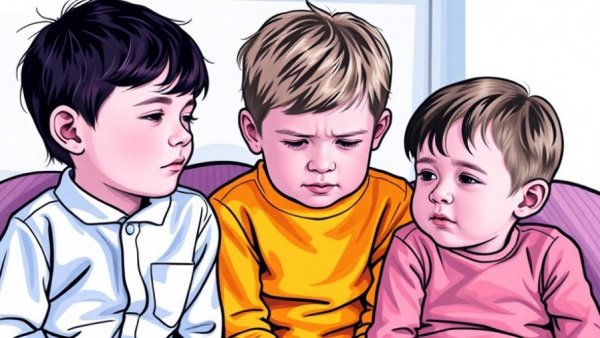
Research has indicated that refugee children are particularly vulnerable to mental health issues, including conditions such as post-traumatic stress disorder (PTSD), depression, and anxiety (Pacione et al., 2013). With the unique pressures brought on by their dislocation, these children often struggle to access traditional mental health services, resulting in a critical need for culturally sensitive approaches.
Culturally Adapted Cognitive Behavioral Therapy: A Lifeline
The therapeutic landscape is evolving to meet these challenging needs through culturally adapted mental health interventions, specifically Cognitive Behavioral Therapy (CBT). This approach tailors mental health strategies to reflect the cultural backgrounds, languages, and values of refugees. Studies suggest that interventions which consider cultural context can enhance the efficacy of mental health treatments, allowing refugees to engage more meaningfully (Alto et al., 2021).
The Role of Acculturation in Mental Health
Acculturation plays a pivotal role in how refugees adapt to their new environments. This process, which involves navigating the interplay between differing cultural backgrounds, can be influenced by several strategies: assimilation, integration, marginalization, and segregation (Berry, 1997). Understanding these pathways is crucial, as the way refugees acculturate can significantly affect their mental health outcomes (Tan et al., 2020).
Systematic Reviews: Insights and Findings
A recent systematic review adhering to PRISMA guidelines explored 1,675 studies related to Culturally Adapted CBT for refugee youth, identifying five that met the stringent criteria set forth (2022). The review highlighted that participants, aged between 11 to 18, experienced diverse challenges including trauma and behavioral issues. Notably, interventions evaluated showcased tangible improvements in the mental health and wellbeing of participants, suggesting that tailored programs yield positive results.
Future Directions: Ensuring Mental Health Access
The intersection of cultural adaptation and acculturation in mental health intervention presents a tremendous opportunity for community programs in areas like Grand Strand. By advocating for and understanding these tailored interventions, local residents can play a critical role in fostering supportive environments for young refugees. As geopolitical instability persists, increased collaboration among healthcare professionals, community leaders, and residents could set the groundwork for impactful change.
It’s imperative for communities to step forward and embrace the responsibility of supporting refugee youth not just through health services, but also by creating inclusive programs that promote cultural understanding and adaptation.
Conclusion: A Call to Action
As residents of Grand Strand explore ways to champion health and well-being, recognizing the importance of mental health interventions tailored for refugee youth is crucial. By collectively fostering understanding and compassion, we can build healthier communities that support not only the physical but also the emotional well-being of all individuals. Consider engaging with local organizations or initiatives that focus on integrating and empowering these vulnerable populations.










Write A Comment