

The Current Status of the Ebola Outbreak
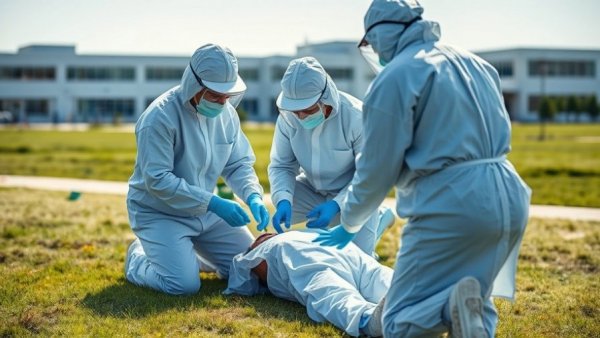
The Ebola outbreak that began in the Democratic Republic of Congo (DRC) has rapidly escalated, with over 11,700 confirmed cases and a staggering death toll surpassing 5,700 as of November 19, 2026. This outbreak stands out as the largest and deadliest in Congo's history and ranks as the second-deadliest globally. According to health experts, this alarming situation is attributable to a “perfect storm” of circumstances that have complicated the response and containment efforts. Local responses have struggled to keep up with the sheer speed of this outbreak, which has highlighted the vulnerabilities of health systems even in areas with previous experience managing Ebola.
What are the Contributing Factors?
Experts, such as Katie Thomas-Canfield from the International Rescue Committee, point to several critical elements fueling this outbreak's rapid development. A significant factor is the delay in detection—estimated by the CDC to have begun two to three months before the official declaration by the World Health Organization (WHO). The ramifications of this delay, mainly due to local mistrust of health authorities and systemic challenges, have been profound. There's also concern that this particular strain of the virus is more contagious, further complicating effective medical responses. This uncertainty can lead to heightened fear in already vulnerable populations, prompting misinformation that further spreads anxiety rather than understanding. Community engagement is crucial; health officers are now emphasizing the importance of building trust with locals to ensure more effective health measures.
Challenges in Containment
In addition to delayed detection, the outbreak's spread has extended beyond Congo's borders, with confirmed cases now emerging in neighboring countries like Uganda and Kenya. Community resistance against health interventions, often fueled by mistrust and misinformation, poses a significant obstacle to controlling the epidemic. For residents of the Grand Strand, the ripple effects of this outbreak could resonate at the local health level, underscoring the importance of understanding global health threats. As public health professionals illustrate how interconnected our health is worldwide, the impact of such outbreaks may even affect local tourism and healthcare resources as different regions assess their exposure.
Global Reactions and Local Implications
As the outbreak spreads, health agencies are rallying international support to bolster containment strategies, prioritizing vaccinations and education in the affected regions. For communities in the Grand Strand, this highlights the interconnectedness of health crises. The ripple effects of a health outbreak in far-off lands can influence local healthcare resources and public health policies. Investing in local health initiatives, like vaccination campaigns and educational programs about infectious diseases, can help safeguard communities from similar threats in the future. It’s imperative for South Carolinians to stay informed about how health trends worldwide can ultimately impact our local communities.
What Can We Learn?
This outbreak has provided crucial lessons about the significant role of early detection and community engagement in managing health crises. As health professionals work tirelessly to combat the spread of Ebola, residents across South Carolina—particularly in coastal areas like Myrtle Beach and Pawleys Island—are encouraged to engage with local health initiatives. Increased awareness and preparedness can enhance personal and communal resilience against global health threats. Strengthening our local health systems will build a buffer against future outbreaks, helping ensure our families remain safe and informed.
Take Action for a Healthier Future
The Ebola outbreak exemplifies how global health issues can touch our lives, even from thousands of miles away. Individuals can play a role in supporting public health by staying informed, participating in local health initiatives, and advocating for stronger health systems. Simple actions like getting vaccinated against preventable diseases and encouraging community discussions about health can create a supportive environment. Together, we can create a healthier future for ourselves and our communities, making proactive health a shared responsibility.











Write A Comment