

Understanding Redistricting and Its Impact
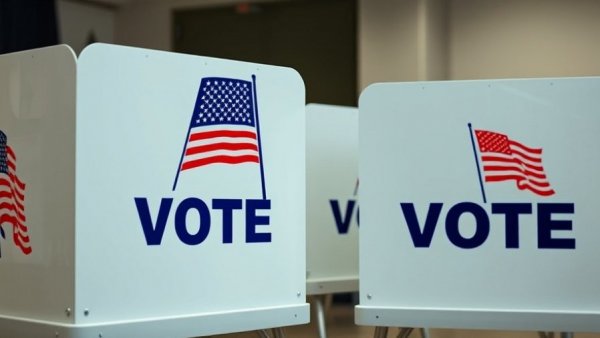
Redistricting is the process of redrawing electoral district boundaries, which occurs every decade following the U.S. census. This practice greatly influences political power dynamics, particularly in a state-by-state context. In the Grand Strand area and beyond, redistricting can directly affect local representation in Congress, impacting community health initiatives, funding for public services, and political engagement. For instance, when districts are favorably drawn, elected officials may prioritize health and social services that directly benefit their constituents, leading to better health outcomes.
The Shifting Political Landscape
In recent elections, particularly the midterms, a blue wave emerged, revealing shifting allegiances and political priorities among voters. For example, in states such as North Carolina and Florida—where Republicans aimed to secure their stronghold through aggressive redistricting—Democratic candidates saw surprising victories in newly drawn districts. Such changes highlight the critical role of voter sentiment and public opinion in the redistricting process. These unexpected outcomes suggest that voters are increasingly prioritizing issues over party loyalty, showcasing a need for responsive and responsible governance.
Local Implications for the Grand Strand Area
The residents of Myrtle Beach, North Myrtle Beach, and surrounding communities might wonder how these shifts in district lines could affect local issues like healthcare access and public health initiatives. When district boundaries are manipulated for political gain, the needs of local constituents may become secondary to partisan objectives. This underscores the importance of engaging in local politics, advocating for community health programs, and ensuring that elected officials prioritize the well-being of their constituents. For example, if a district favorably supports health services, it can lead to better funding for essential programs that promote healthy lifestyles, such as wellness workshops, exercise facilities, and mental health resources.
A Cautionary Note: Risks of Mid-Cycle Redistricting
Political experts indicate that mid-cycle redistricting—an attempt by parties to redraw districts before the next census—may lead to backlash, as seen in the recent elections. Costas Panagopoulos, a political scientist, suggests that the failures of Republican-led redistricting efforts may make both parties hesitant to engage in this contentious strategy in the near future. This reluctance can produce a more stable political environment, allowing communities to focus on critical issues like healthcare and infrastructure. Less volatility means that local leaders can prioritize pressing health needs without the distractions of political maneuvering.
The Intersection of Health and Politics
Furthermore, it is crucial to recognize that health policy and political strategies are intertwined. For residents particularly interested in fostering a healthy lifestyle, understanding the implications of political changes on health funding and resources is essential. Advocacy for community health should parallel our engagement in political matters. Residents in areas like Pawleys Island and Murrells Inlet are encouraged to remain informed about how their congressional representation affects access to health resources and programs designed to promote well-being. This includes knowing which representatives are supportive of funding for public health programs, tackling healthcare disparities, and ensuring comprehensive care for all demographics within the community.
Empowering the Community Through Engagement
Engaging with local politics can empower individuals and communities to take charge of their health and well-being. It can be as simple as attending town hall meetings, where people can voice their concerns and advocate for health-related issues. Residents can also work together to build coalitions that promote healthy living and encourage participation in local events that focus on fitness, nutrition, and well-being. When constituents are actively involved, they can push for modifications in policy that ensure their community's health needs are met effectively.
Conclusion: Take Action and Stay Informed
As political dynamics evolve, it's vital for residents of South Carolina's Grand Strand and beyond to engage actively in both local community efforts and the political process. Whether that means attending town hall meetings, supporting local health initiatives, or simply voicing concerns to elected officials, every action contributes to building a healthier, more responsive political landscape. By staying informed, advocating for their community, and prioritizing their health and well-being, residents can help create a system that supports a vibrant and healthy future for everyone in the region.











Write A Comment