

Understanding the Shift in Democratic Debate Criteria
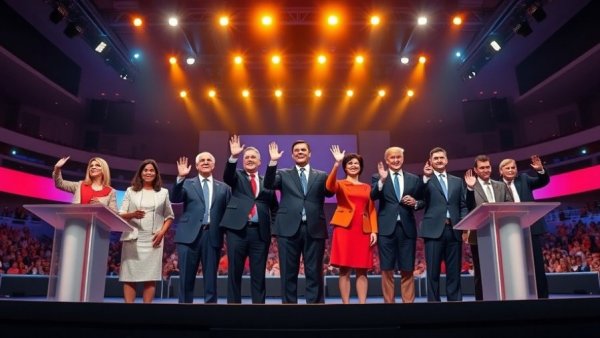
As the 2028 presidential campaign looms, the Democratic National Committee (DNC) is setting the stage for a particularly impactful primary season. Amidst the backdrop of impressive electoral gains in 2026 where Democrats expanded their majority in Congress, the new requirement for candidates to denounce dark money and super PAC spending reflects an evolving political landscape. This move comes at a time when voter concern about political corruption is at an all-time high, with 92% of registered voters acknowledging it as a significant issue.
The Importance of Transparency in Elections
By mandating candidates to sign the Fair Campaign Practices Pledge, the DNC intends to foster a transparent campaign environment — an essential element for restoring public trust in political institutions. For many residents in regions like the Grand Strand in South Carolina — including areas such as Myrtle Beach and Pawleys Island — understanding these changes is crucial. A system perceived as fair may influence how communities engage with political processes and encourage higher voter turnout.
Addressing Public Concerns
The decision to address dark money is a direct response to a widespread voter sentiment that their voices and choices are being overshadowed by undisclosed financial interests. Political funding that lacks transparency can leave citizens feeling disenfranchised, which poses a risk for democratic engagement. It is imperative that voters stay informed about the implications of such funding sources on local issues and how they can advocate for reforms that promote accountability at all levels of government.
Potential Challenges Ahead
The enforcement of this new requirement raises questions about the effectiveness of the DNC's strategy. Will candidates who rely on traditional funding sources abandon their financial supporters, or will they find loopholes in the pledges? For many living near Surfside Beach or Garden City, the answers to these questions could greatly influence the political climate and the candidates they might support. Engaging community discussions about political funding can enhance awareness and promote informed decision-making among voters.
Getting Involved Locally
Residents in the Grand Strand can make a difference by participating in local political discussions or attending town halls. Advocating for transparency not only affects national politics but has direct implications for state and local issues as well. By staying engaged, individuals can contribute to shaping a political landscape that embodies their values and priorities, especially in areas such as health and community welfare.
What This Means for Voter Participation
The upcoming debates and these new criteria could serve as a springboard for local engagement. By understanding the stakes involved, especially surrounding dark money, voters in communities like Murrells Inlet and Little River can take active steps to make their voices heard. It’s vital for citizens to demand clarity and responsibility from their candidates, focusing on how these debates will impact their lives directly.
Final Thoughts: Ensuring a Healthier Political Environment
The DNC’s renewed vision for the debates may be a pivotal moment for the party and for voters seeking substantive change. As South Carolina residents continue to embrace healthier lifestyles, fostering a political environment that prioritizes transparency can be seen as an extension of that pursuit for wellness — not just in personal health but in the health of our democracy.










Write A Comment