

The Breakdown of COP31: What Went Wrong and Why It Matters
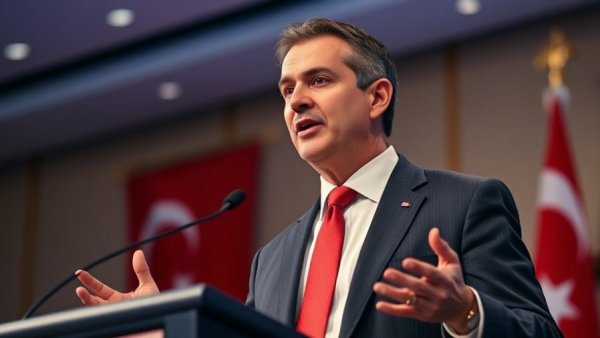
The 31st meeting of the United Nations Framework Convention on Climate Change (COP31) marked a critical moment in the global fight against climate change. However, it ended in disappointment as negotiations collapsed without a consensus, highlighting the growing rift between scientific urgency and political will.
Understanding the Stakes: Why Climate Change Affects Our Communities
For residents along the Grand Strand of South Carolina, including those in Myrtle Beach, North Myrtle Beach, and Surfside Beach, the discussions at COP31 may seem distant. Yet, the outcome carries profound implications for local ecosystems and economies. The area, known for its beaches and tourism-driven economy, remains vulnerable to the impacts of climate change, from rising sea levels to more extreme weather events. Addressing climate change isn't just a global concern; it's crucial for maintaining the beauty and recreational opportunities of places like Pawleys Island and Murrells Inlet.
The Conflicting Perspectives: Fossil Fuels and Global Agreements
The main sticking point at COP31 was the refusal by some countries, notably Russia and Saudi Arabia, to acknowledge the need for a clear transition away from fossil fuels. The European Union and the UK, in contrast, recognized that fossil fuels are the leading cause of climate change. This divide illustrates a broader conflict that has persisted since the Paris Agreement in 2015, when commitments were established to limit global warming to 1.5°C. As Lavanya Rajamani, a professor of international environmental law, pointed out, the rift between the science of climate change and the politics surrounding it has never been wider, demonstrating the challenges of reaching a unifying consensus.
Lessons from the Past: A Look Back at Copenhagen 2009
The failure to reach an agreement at COP31 is reminiscent of the Copenhagen summit in 2009, a pivotal moment in climate negotiations. Back then, disagreements over emission reductions and the legality of commitments derailed discussions. The current impasse raises questions about what has changed and what remains the same. The climate science today is clearer and more urgent, yet political stalemates continue to frustrate meaningful action. Local residents should remember that, while global talks may falter, their community can be a part of the solution through sustainable practices and advocating for local policy changes.
The Path Forward: Building Local Action from Global Inaction
While national leaders grapple with tough decisions, local communities can take action in meaningful ways. For those living in places like Garden City and Litchfield Beach, engaging in discussions about sustainability, participating in community clean-ups, and supporting local policies aimed at reducing carbon footprints are essential. Moreover, understanding the implications of climate change can inform personal choices, such as opting for more sustainable transportation or supporting eco-friendly businesses in Georgetown and Cherry Grove.
Action Items: Embracing a Sustainable Lifestyle
As the consequences of climate change become more pronounced, particularly in coastal areas, it is crucial for individuals to embrace sustainability in their daily lives. Simple steps can have significant impacts, such as reducing plastic use, conserving water, and opting for energy-efficient appliances. Community education initiatives can empower residents to advocate for environmental awareness, fostering a culture of sustainability in the Grand Strand. Residents in Ocean Drive and Crescent Beach should gear up to be part of the local movement toward climate resilience. Furthermore, participating in local initiatives can not only help the environment but also strengthen community ties.
Conclusion: The Climate Challenge is Ours to Own
The failure of COP31 should serve as a wake-up call. Even as discussions at the highest levels stall, individuals in our community can lead the charge toward sustainable living. Making personal and communal commitments to protect our environment will not only help preserve the natural beauty of our coastline but also ensure a healthy, vibrant place for future generations. We have the power to advocate, to act, and to influence change. Let's start here, together.











Write A Comment