



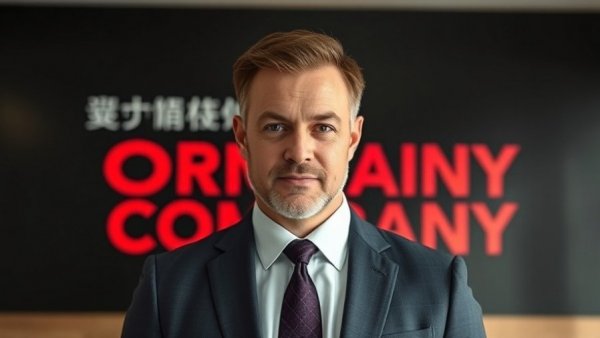
Michael Dugan Steps into a Revolutionary Role at TIME
In a significant move aimed at bolstering its technological backbone, TIME has appointed Michael Dugan as its new Chief Technology Officer. This decision, announced on November 6, 2026, is aimed at supporting the magazine's growth and transformation as it sets its sights on 2027 and beyond. The announcement highlights the importance of Dugan’s role in guiding TIME’s technology strategy across various domains, including digital platforms, engineering, and responsible AI.
A Leader with Rich Experience
Dugan brings to TIME a wealth of expertise garnered over 25 years in the technology sector, particularly within major media companies. His recent stint as Chief Technology Officer at G/O Media saw him revamp their technology infrastructure and enhance data, AI, and advertising capabilities. Such experiences position him well to address the challenges and opportunities that modern journalism faces today.
Transforming Journalism through Technology
As digital media consumption continues to evolve, TIME recognizes the need for robust technology to enhance journalism and audience engagement. Dugan’s leadership will focus on increasing operational efficiencies while simultaneously exploring new revenue streams. The introduction of artificial intelligence into media also promises to reshape how organizations operate, presenting opportunities for innovative storytelling methods and audience interactions.
The Grand Strand Connection: Why It Matters Locally
Residents in the Grand Strand of South Carolina, including Myrtle Beach, North Myrtle Beach, and Pawleys Island, may wonder how this corporate change impacts them. As TIME improves its digital offerings, readers from these vibrant communities might see more relevant content that speaks directly to their interests and lifestyle choices. This enhances engagement, potentially offering articles that delve into health and lifestyle topics that matter to them.
Innovation in Journalism: What This Means for the Future
Looking forward, the advancements spearheaded by Dugan are expected to influence the broader media landscape significantly. In an era where credible journalism is crucial, the integration of technology can provide transparency and better user experience—key elements for attracting and retaining loyal audiences. For local communities, including areas like Surfside Beach and Litchfield Beach, this transformation could lead to stories that resonate at a community level, bridging the gap between national news and local interests.
The Essential Conversation: Community and Health
Amidst the technological advancements, it’s vital that TIME maintains its commitment to community-centered journalism. Particularly for families and health-conscious residents in Murrells Inlet and Georgetown, thoughtful coverage of health and wellness—paired with innovative storytelling—can empower communities with information that fosters better living. With a strong technology strategy, TIME is well-positioned to be a source of not just news but also tangible benefits for its readers.
Conclusion: The Road Ahead
As Michael Dugan embarks on this new journey with TIME, the hopes of many rest on how technology can enhance journalism and community connection. His experience offers a glimmer of hope as audiences adapt to fast-changing media landscapes. In local contexts, such as the vibrant neighborhoods of Cherry Grove and Ocean Drive, the evolving narrative of journalism promises to intersect with the real issues faced by the community.
Commencing with this pivotal change, TIME invites its readers, especially those in the Grand Strand, to join this journey of technological and journalistic transformation. Keep an eye on the innovative stories that will flourish—because as technology evolves, so too will the way we share and consume news.












Write A Comment