


A Shifting Tide: How MAHA Changed the Political Landscape for Health Advocates
The recent midterm elections have drawn significant attention to the Make America Healthy Again (MAHA) movement, particularly its impact on the political choices of voters in traditionally Republican strongholds like South Carolina. MAHA supporters, led by figures such as Robert F. Kennedy Jr., once rallied behind Donald Trump but have since expressed deep disillusionment due to unfulfilled promises regarding health initiatives.
The Heart of the Matter: Disappointment with Health Policies
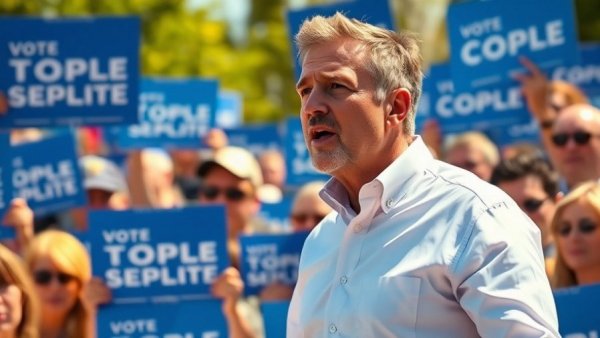
MAHA advocates have become increasingly vocal about their concerns related to pesticides and vaccines. This dissatisfaction seems to have influenced their voting behavior, triggering a moment of reflection within the movement itself. “A lot of people had said they weren’t going to vote, and by not voting, they handed the win to the Democrats,” stated Zen Honeycutt, founder of Moms Across America. This sentiment was echoed by many MAHA members who believe that disengagement from the electoral process translates to a loss of political influence.
MAHA's Growing Influence: A National Phenomenon
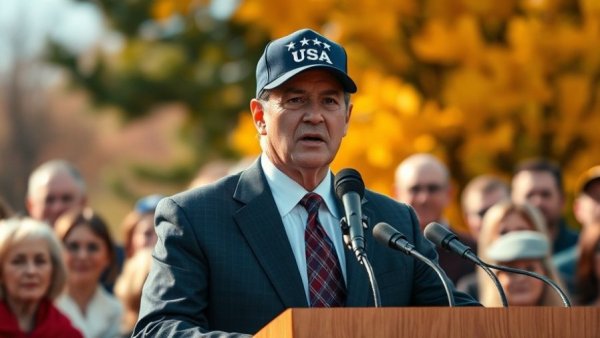
Initially emerging as a health-focused coalition, MAHA gained traction during the 2024 presidential campaign with Kennedy at its helm. His appointment as head of the U.S. Department of Health and Human Services introduced a new dimension to MAHA's mission, further intertwining public health advocacy with the political arena. However, as dissent grew over slashed vaccine recommendations and funding, MAHA saw a split within its ranks.
Analyzing the Midterm Impact: How Widespread Was MAHA’s Discontent?
Despite the uncertainty surrounding the direct impact of MAHA's disenchantment on the midterms, analysts like Dr. Peter Lurie suggest that even a small fraction of disengaged voters could have swayed critical races. The Democrats' control over Congress following significant wins in states like Kansas and Texas indicates that MAHA's supporters may have successfully turned the tide against traditional GOP strongholds.
Lessons for Future Elections: Understanding Voter Engagement
The outcome of the midterms provides a cautionary tale for political leaders about the importance of keeping campaign promises, especially those related to public health. Voter engagement is vital, and disillusioned supporters can become apathetic when their values are not mirrored by elected officials. This underscores a broader lesson: health-related policy must remain a priority for candidates seeking to resonate with their constituents.
Building Bridges in Local Communities
For residents of the Grand Strand—areas like Myrtle Beach, Surfside Beach, and Litchfield Beach—the implications of the MAHA movement are particularly relevant. Engagement in local health advocacy can help ensure that regional concerns are addressed by those in power. Initiatives to educate and empower communities about health and wellness can foster informed voter bases, leading to more responsive governance.
Your Role as an Advocate for Health
It is essential for each resident to take an active role in shaping health-related policies in their local communities. By voicing concerns and advocating for necessary changes, you can create a ripple effect that influences local and national elections. Whether through joining community health initiatives or educating peers about critical health issues, everyone can contribute to building healthier communities.
Let’s focus on enhancing our health conversations and advocating for policies that reflect our collective values in South Carolina. Participate in local health forums, support initiatives aiming for transparency in health policies, and encourage friends and family to actively engage in conversations about personal health and political actions.









Write A Comment