

The Shift in Global Energy Dynamics Following the Iran War
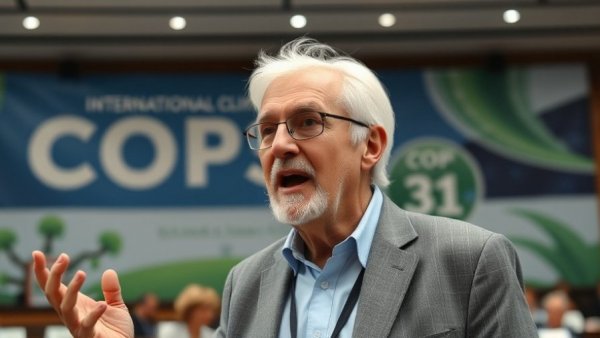
The world of energy is experiencing a seismic shift, one that might not only redefine energy dynamics but also shape global economic and geopolitical landscapes for years to come. During my conversation with Fatih Birol, the Executive Director of the International Energy Agency, it became clear that the ramifications of the ongoing conflict in Iran will profoundly alter how we consume and produce energy. This is a critical moment in history, as the energy world we once knew is changing rapidly.
Understanding the Implications on Energy Security
As the conflict intensifies, the focus on energy security has surged significantly. Countries are increasingly turning to renewable energy sources that can be produced domestically, thus insulating themselves from political turmoil and supply disruptions. In his remarks from COP31, Birol pointed out that many nations are implementing comprehensive energy policies aimed at enhancing energy independence. For residents in areas like Myrtle Beach, North Myrtle Beach, and other coastal regions of South Carolina, this trend could signal a shift towards local, renewable energy solutions that promote a healthier lifestyle while reducing reliance on fossil fuels.
With climate change and energy security intertwined, many governments are setting ambitious targets for renewable energy adoption. This change can be seen in incentives for solar and wind projects, which reflect a collective move toward sustainability. For residents, this may translate into tangible benefits, such as greater access to clean energy options and potential savings on energy costs.
Electrification: A Key to Future Energy Strategies
Birol highlighted the importance of electrification in the current energy discourse. Currently, less than one-quarter of global final energy consumption comes from electricity; however, as more countries invest in electric infrastructures—especially those driven by renewable sources—the landscape of energy consumption will change dramatically. This shift is essential, as electrification not only supports energy security but also aligns with public health goals by reducing pollution levels. This could resonate on a local level in places like Garden City and Pawleys Island, where sustainable practices can be incorporated into daily living.
The move towards electrification also has broader implications for energy efficiency. By modernizing electrical grids and enhancing storage capabilities, communities can leverage local renewable energy to meet their demands, thus fostering resilience against potential supply disruptions. This is an exciting prospect for residents interested in both sustainability and economic empowerment.
Local Actions in Response to Global Energy Trends
In light of these shifts, local communities along the Grand Strand are in a unique position to lead the charge toward sustainable living. Initiatives that promote solar panel installations and energy efficiency can contribute to national energy goals while enhancing the health and wellness of families. For instance, implementing solar power not only serves to decrease energy bills, but it also reduces carbon footprints, paving the way for a healthier environment.
Moreover, community organizations and local governments have started championing programs that educate residents on the benefits of renewable energy. Hosting workshops on energy efficiency and providing resources for home improvements can empower residents to make informed decisions. This local engagement creates a ripple effect, inspiring others to consider how they manage their energy consumption.
A Look at Future Predictions in Energy Consumption
Looking ahead, Birol’s insights suggest that countries will increasingly favor investments in technologies that ensure energy sustainability, such as next-generation batteries and advanced nuclear power. These innovations will not only support diversified energy portfolios but will also help reduce health-related issues stemming from pollution caused by conventional energy production. For residents in Murrells Inlet and Litchfield Beach, this could mean cleaner air and healthier living environments.
As the focus on renewable energy sources grows, the job market is likely to expand in green technology sectors. This could lead to new employment opportunities for locals, including positions in manufacturing, installation, and maintenance of renewable energy systems. Hence, adapting to these changes not only benefits the environment but also offers significant economic potential for the community.
Embracing the Opportunity: A Call to Action
As the Grand Strand community adapts to these evolving energy dynamics, it is vital to stay informed and engaged. Residents should consider taking part in local sustainability efforts, whether it be by joining community workshops, advocating for renewable energy projects, or simply making informed energy choices within their homes. Simple actions, such as utilizing energy-efficient appliances or reducing water usage, can have a meaningful impact.
The time for action is now, as the world of energy will never be the same again, and we have the chance to shape a healthier future for ourselves. Engaging in local dialogues about energy goals and sustainability can empower community members to take charge of their energy futures, leading to a healthier planet and improved quality of life for all.











Write A Comment