



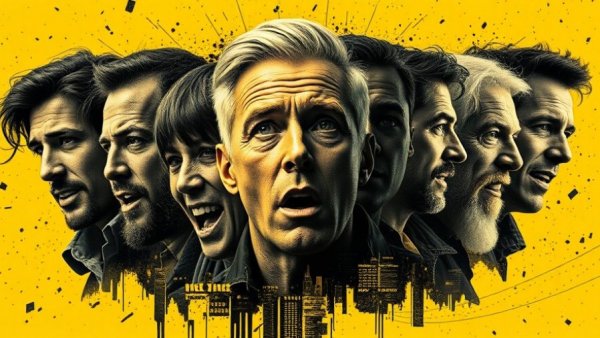
Introduction: Dystopia in Technology Films
Movies have long been a lens to examine our societal anxieties, and today, those anxieties increasingly focus on technology. In recent years, films portraying the tech industry have shifted dramatically from celebrating innovation and visionary figures to depicting a more dystopian landscape. This change reflects not only our growing distrust of tech leaders but also our concerns about the implications of technology in everyday life.
The Shift from Tech Optimism to Realism
Back in 2014, films like The Imitation Game showcased the powerful potential of technology through the historical lens of Alan Turing's genius during World War II. However, as we grapple with challenges like misinformation and privacy violations, newer films portray tech titans like Elon Musk and Mark Zuckerberg in a far more critical light. These films challenge the notion that unrestrained technological advancement leads to positive social outcomes.
Hollywood’s Response to Big Tech
This fall, a new wave of films aims to hold these influential figures accountable, painting a stark picture of how technology can exacerbate societal issues. In The Social Reckoning, for example, filmmakers argue that the only way to elicit change from powerful tech leaders is to “cause pain.” This change in narrative aligns with several recent documentaries and dramas that highlight biased algorithms and the spread of extremist content on social media.
Emotional Resonance: Fear and Frustration
For many in the Grand Strand area, where the community thrives on both tourism and technological connectivity, this evolving narrative is salient. As residents of Myrtle Beach, North Myrtle Beach, and surrounding areas rely on technology for everything from health tracking to connecting with loved ones, these films resonate emotionally. They spark important conversations about how advancements in tech should align with societal values, particularly in our local communities.
The Role of Activism in Storytelling
The narratives in these films often blend storytelling with activism, directly challenging viewers to confront uncomfortable truths. They reflect a growing sentiment that the very technologies meant to enhance our lives may be jeopardizing our freedoms. How can this message inspire action within our communities? Films can motivate residents in places like Pawleys Island and Murrells Inlet to advocate for ethical technology policies that protect user rights, especially as AI becomes more widespread.
Local Voices in a Global Dialogue
In engaging with these film narratives, residents can find their voices amplified. Community discussions about tech's impact—whether it’s social media’s role in shaping local events in Georgetown or the influence of tech on family life in Windy Hill—are crucial. Just as filmmakers use their platforms to express dissent, community members can harness digital tools to share their views. A united voice in Cherry Grove, Crescent Beach, and beyond could drive change and inspire collaborative efforts toward implementing technology that serves the public good.
Conclusion: A Call for Action
As we delve into the implications of films portraying a dystopian view of tech, it’s essential to reflect on our local experiences and collective responsibilities. The waves of change are here, and they require our active participation. Residents of the Grand Strand are encouraged to engage with these narratives—watch the films, discuss them in local forums, and consider what kind of technology future we want to create for ourselves and our children. Together, we can turn these cautionary tales into empowering action for healthy living.












Write A Comment