
The G7's Immediate Action: Will It Bring Relief to South Carolina Residents?
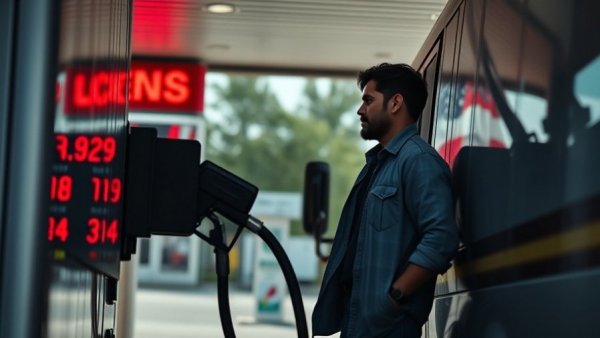
In a significant move, the Group of Seven (G7) countries announced that they would release 100 million barrels of oil and fuel products, a decision aimed at addressing the ongoing global energy crisis stemming from geopolitical tensions. This coordinated effort seeks to stabilize immediate energy supplies—especially diesel—at a time when South Carolinians are feeling the pinch at the pump.
Understanding the Context: What Prompted This Decision?
The G7 countries, including the United States, Canada, and members of Europe, have been prompted to act due to a multitude of factors, most notably the escalating conflict in Ukraine and ongoing tensions in the Middle East. These issues have significantly disrupted oil supply routes, particularly through critical chokepoints like the Strait of Hormuz. With fuel prices reaching historical highs—Brent crude is currently priced at $102 per barrel—this initiative aims to swiftly counteract the surging costs affecting everyday Americans, particularly those in regions like Myrtle Beach and North Myrtle Beach.
Potential Benefits for South Carolina Residents
For residents in beach towns like Surfside Beach and Pawleys Island, the good news is that even if the diesel released primarily serves European markets, it can ultimately help consumers here. How? Europe often sources diesel from the U.S., so easing the demand pressure on the limited supplies there could mean lower prices back home. This is crucial for residents who not only depend on fuel for their vehicles but also rely on transportation for local businesses and tourism, particularly significant for spots like Murrells Inlet and Garden City.
Clear Messaging: What Consumers Need to Know
President Trump's push for the release comes alongside concerns about rapidly rising fuel costs for the average American. Acknowledging the potential backlash from temporary restrictions on diesel exports, the administration's strategy hinges on securing essential energy resources for U.S. citizens. This may also resonate with residents in areas like Litchfield Beach and Georgetown, where many families count on having reliable transportation for daily activities and local events.
A Closer Look: Diesel Prices and Consumer Impact
As of last month, on-highway diesel prices peaked at an astounding $6.529 per gallon. For communities along the Grand Strand, which thrive on seasonal tourism and outdoor activities, such prices can be prohibitive. For families in Cherry Grove and those residing in tranquil neighborhoods like Windy Hill, finding ways to budget around high fuel prices becomes imperative for enjoying beach outings and community events.
Future Predictions: Will Prices Dip?
The effectiveness of the G7's actions hinges on several variables: the types of fuel released, the volume reaching the market, and the immediate response from oil producers and consumers alike. Experts suggest that while some relief may come, actual price decreases could take weeks or even months to be felt at local pumps. For residents in Atlantic Beach and Ocean Drive, it may be wise to monitor fuel promotions and community programs aimed at assisting families through these tough times.
Taking Action: Community Engagement and Informed Choices
As we navigate these turbulent times, it’s vital for residents to remain informed and proactive in their community engagement. Finding local initiatives that promote fuel efficiency and alternative transportation can help lighten the financial load. Keeping up to date with local news and community boards will ensure families in places like Cherry Grove and Pawleys Island can learn about support programs and resources available to them.
In conclusion, while the G7's decision to release emergency fuel reserves is a promising start, the real impact on fuel prices in South Carolina remains uncertain. Residents should remain vigilant, proactive, and engaged as they seek solutions amidst this period of high costs and potential shortages.
9 Views
0 Comments

Democrats Face Requirement to Disavow Dark Money for 2028 Debates
Update Understanding the Shift in Democratic Debate CriteriaAs the 2028 presidential campaign looms, the Democratic National Committee (DNC) is setting the stage for a particularly impactful primary season. Amidst the backdrop of impressive electoral gains in 2026 where Democrats expanded their majority in Congress, the new requirement for candidates to denounce dark money and super PAC spending reflects an evolving political landscape. This move comes at a time when voter concern about political corruption is at an all-time high, with 92% of registered voters acknowledging it as a significant issue.The Importance of Transparency in ElectionsBy mandating candidates to sign the Fair Campaign Practices Pledge, the DNC intends to foster a transparent campaign environment — an essential element for restoring public trust in political institutions. For many residents in regions like the Grand Strand in South Carolina — including areas such as Myrtle Beach and Pawleys Island — understanding these changes is crucial. A system perceived as fair may influence how communities engage with political processes and encourage higher voter turnout.Addressing Public ConcernsThe decision to address dark money is a direct response to a widespread voter sentiment that their voices and choices are being overshadowed by undisclosed financial interests. Political funding that lacks transparency can leave citizens feeling disenfranchised, which poses a risk for democratic engagement. It is imperative that voters stay informed about the implications of such funding sources on local issues and how they can advocate for reforms that promote accountability at all levels of government.Potential Challenges AheadThe enforcement of this new requirement raises questions about the effectiveness of the DNC's strategy. Will candidates who rely on traditional funding sources abandon their financial supporters, or will they find loopholes in the pledges? For many living near Surfside Beach or Garden City, the answers to these questions could greatly influence the political climate and the candidates they might support. Engaging community discussions about political funding can enhance awareness and promote informed decision-making among voters.Getting Involved LocallyResidents in the Grand Strand can make a difference by participating in local political discussions or attending town halls. Advocating for transparency not only affects national politics but has direct implications for state and local issues as well. By staying engaged, individuals can contribute to shaping a political landscape that embodies their values and priorities, especially in areas such as health and community welfare.What This Means for Voter ParticipationThe upcoming debates and these new criteria could serve as a springboard for local engagement. By understanding the stakes involved, especially surrounding dark money, voters in communities like Murrells Inlet and Little River can take active steps to make their voices heard. It’s vital for citizens to demand clarity and responsibility from their candidates, focusing on how these debates will impact their lives directly.Final Thoughts: Ensuring a Healthier Political EnvironmentThe DNC’s renewed vision for the debates may be a pivotal moment for the party and for voters seeking substantive change. As South Carolina residents continue to embrace healthier lifestyles, fostering a political environment that prioritizes transparency can be seen as an extension of that pursuit for wellness — not just in personal health but in the health of our democracy.
Why the Breakdown of COP31 Matters to Coastal Communities Like Yours
Update The Breakdown of COP31: What Went Wrong and Why It Matters The 31st meeting of the United Nations Framework Convention on Climate Change (COP31) marked a critical moment in the global fight against climate change. However, it ended in disappointment as negotiations collapsed without a consensus, highlighting the growing rift between scientific urgency and political will. Understanding the Stakes: Why Climate Change Affects Our Communities For residents along the Grand Strand of South Carolina, including those in Myrtle Beach, North Myrtle Beach, and Surfside Beach, the discussions at COP31 may seem distant. Yet, the outcome carries profound implications for local ecosystems and economies. The area, known for its beaches and tourism-driven economy, remains vulnerable to the impacts of climate change, from rising sea levels to more extreme weather events. Addressing climate change isn't just a global concern; it's crucial for maintaining the beauty and recreational opportunities of places like Pawleys Island and Murrells Inlet. The Conflicting Perspectives: Fossil Fuels and Global Agreements The main sticking point at COP31 was the refusal by some countries, notably Russia and Saudi Arabia, to acknowledge the need for a clear transition away from fossil fuels. The European Union and the UK, in contrast, recognized that fossil fuels are the leading cause of climate change. This divide illustrates a broader conflict that has persisted since the Paris Agreement in 2015, when commitments were established to limit global warming to 1.5°C. As Lavanya Rajamani, a professor of international environmental law, pointed out, the rift between the science of climate change and the politics surrounding it has never been wider, demonstrating the challenges of reaching a unifying consensus. Lessons from the Past: A Look Back at Copenhagen 2009 The failure to reach an agreement at COP31 is reminiscent of the Copenhagen summit in 2009, a pivotal moment in climate negotiations. Back then, disagreements over emission reductions and the legality of commitments derailed discussions. The current impasse raises questions about what has changed and what remains the same. The climate science today is clearer and more urgent, yet political stalemates continue to frustrate meaningful action. Local residents should remember that, while global talks may falter, their community can be a part of the solution through sustainable practices and advocating for local policy changes. The Path Forward: Building Local Action from Global Inaction While national leaders grapple with tough decisions, local communities can take action in meaningful ways. For those living in places like Garden City and Litchfield Beach, engaging in discussions about sustainability, participating in community clean-ups, and supporting local policies aimed at reducing carbon footprints are essential. Moreover, understanding the implications of climate change can inform personal choices, such as opting for more sustainable transportation or supporting eco-friendly businesses in Georgetown and Cherry Grove. Action Items: Embracing a Sustainable Lifestyle As the consequences of climate change become more pronounced, particularly in coastal areas, it is crucial for individuals to embrace sustainability in their daily lives. Simple steps can have significant impacts, such as reducing plastic use, conserving water, and opting for energy-efficient appliances. Community education initiatives can empower residents to advocate for environmental awareness, fostering a culture of sustainability in the Grand Strand. Residents in Ocean Drive and Crescent Beach should gear up to be part of the local movement toward climate resilience. Furthermore, participating in local initiatives can not only help the environment but also strengthen community ties. Conclusion: The Climate Challenge is Ours to Own The failure of COP31 should serve as a wake-up call. Even as discussions at the highest levels stall, individuals in our community can lead the charge toward sustainable living. Making personal and communal commitments to protect our environment will not only help preserve the natural beauty of our coastline but also ensure a healthy, vibrant place for future generations. We have the power to advocate, to act, and to influence change. Let's start here, together.

Ebola's Death Toll Exceeds 5,700: Impact and Prevention Insights for Local Residents
Update The Current Status of the Ebola Outbreak The Ebola outbreak that began in the Democratic Republic of Congo (DRC) has rapidly escalated, with over 11,700 confirmed cases and a staggering death toll surpassing 5,700 as of November 19, 2026. This outbreak stands out as the largest and deadliest in Congo's history and ranks as the second-deadliest globally. According to health experts, this alarming situation is attributable to a “perfect storm” of circumstances that have complicated the response and containment efforts. Local responses have struggled to keep up with the sheer speed of this outbreak, which has highlighted the vulnerabilities of health systems even in areas with previous experience managing Ebola. What are the Contributing Factors? Experts, such as Katie Thomas-Canfield from the International Rescue Committee, point to several critical elements fueling this outbreak's rapid development. A significant factor is the delay in detection—estimated by the CDC to have begun two to three months before the official declaration by the World Health Organization (WHO). The ramifications of this delay, mainly due to local mistrust of health authorities and systemic challenges, have been profound. There's also concern that this particular strain of the virus is more contagious, further complicating effective medical responses. This uncertainty can lead to heightened fear in already vulnerable populations, prompting misinformation that further spreads anxiety rather than understanding. Community engagement is crucial; health officers are now emphasizing the importance of building trust with locals to ensure more effective health measures. Challenges in Containment In addition to delayed detection, the outbreak's spread has extended beyond Congo's borders, with confirmed cases now emerging in neighboring countries like Uganda and Kenya. Community resistance against health interventions, often fueled by mistrust and misinformation, poses a significant obstacle to controlling the epidemic. For residents of the Grand Strand, the ripple effects of this outbreak could resonate at the local health level, underscoring the importance of understanding global health threats. As public health professionals illustrate how interconnected our health is worldwide, the impact of such outbreaks may even affect local tourism and healthcare resources as different regions assess their exposure. Global Reactions and Local Implications As the outbreak spreads, health agencies are rallying international support to bolster containment strategies, prioritizing vaccinations and education in the affected regions. For communities in the Grand Strand, this highlights the interconnectedness of health crises. The ripple effects of a health outbreak in far-off lands can influence local healthcare resources and public health policies. Investing in local health initiatives, like vaccination campaigns and educational programs about infectious diseases, can help safeguard communities from similar threats in the future. It’s imperative for South Carolinians to stay informed about how health trends worldwide can ultimately impact our local communities. What Can We Learn? This outbreak has provided crucial lessons about the significant role of early detection and community engagement in managing health crises. As health professionals work tirelessly to combat the spread of Ebola, residents across South Carolina—particularly in coastal areas like Myrtle Beach and Pawleys Island—are encouraged to engage with local health initiatives. Increased awareness and preparedness can enhance personal and communal resilience against global health threats. Strengthening our local health systems will build a buffer against future outbreaks, helping ensure our families remain safe and informed. Take Action for a Healthier Future The Ebola outbreak exemplifies how global health issues can touch our lives, even from thousands of miles away. Individuals can play a role in supporting public health by staying informed, participating in local health initiatives, and advocating for stronger health systems. Simple actions like getting vaccinated against preventable diseases and encouraging community discussions about health can create a supportive environment. Together, we can create a healthier future for ourselves and our communities, making proactive health a shared responsibility.
Grand Strand Healthy Living








COMPANY
Myrtle Beach, SC
This is a custom HTML / JavaScript Element
In order To See Your Custom HTML/JavaScript Code in Action You Must Click On The Preview Page Button, Your Code is NOT going to be active in the edit mode
ABOUT US
Grand Strand Healthy Living is your go-to local guide for living well in Myrtle Beach and the surrounding coastal communities. We bring you everything from healthy recipes and fitness tips to trusted local wellness providers, outdoor activities, and self-care inspirationâall tailored for the Grand Strand lifestyle. Whether you're looking for the best yoga studios, farm-fresh markets, or natural beauty solutions, we help you live healthier, happier, and more connected to your coastal community.

Write A Comment